
Chip Seal Parking Lot Costs in Idaho
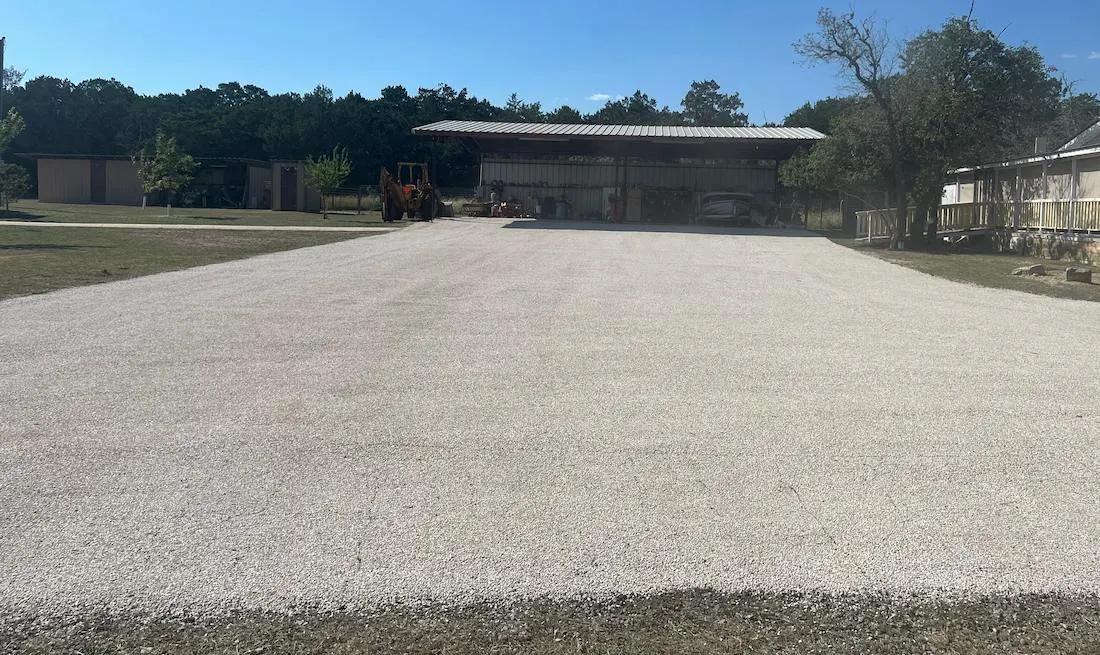
The cost of a chip seal parking lot in Idaho comes down to five things: how big and awkward the lot is, what shape the pavement is in, how much preparation it needs, how much stone and binder go down, and how easy it is to work around your traffic. We don't quote a number without seeing the lot, because two lots of the same size can need very different amounts of work. Here is what moves the scope, so you can compare proposals on equal terms.
What changes the scope of chip seal parking lot work
Chip seal is a surface treatment. A layer of binder (the asphalt material that glues everything down) is sprayed on, then stone is spread and rolled into it. The result is a tough, textured wearing surface. Our chip seal parking lot service follows that basic process, but the details change from lot to lot.
Lot size, shape and edges
Square footage sets the baseline for material and labor. Shape matters too. A long, narrow lot with islands, curbs and tight corners takes more hand work than an open rectangle. Edges along landscaping, sidewalks or buildings need careful handling so stone and binder stay where they belong.
Existing pavement condition
Chip seal works best on pavement that is still structurally sound. If the base (the compacted layer of gravel and soil under the asphalt) has failed in spots, the surface treatment will not hold those areas up. Alligator cracking, deep ruts and soft spots usually need repair before anything goes on top. The more repair a lot needs, the more the project involves.
Drainage and traffic patterns
Water that sits on pavement works its way into cracks and softens the base. If your lot has low spots or runoff that collects against a curb, that needs to be looked at before the surface is treated. Traffic matters as well. A lot with a delivery lane or a busy entrance may need to be done in sections so customers and trucks can keep moving, and sequencing adds planning time.
| Factor | What it changes |
|---|---|
| Lot size and layout | Material quantity, equipment time, hand work at edges |
| Pavement condition | Amount of repair needed before the binder goes down |
| Drainage | Whether water problems must be addressed first |
| Traffic and access | Work sequencing, phasing and closure planning |
| Stone and binder | Material quantities and application details |
How preparation and materials affect the project
Preparation is where a good chip seal job is won or lost. The surface has to be clean, because binder will not bond to dust, loose debris or oil buildup. Cracks and failed patches are repaired so they do not telegraph back through the new surface. Our chip seal paving work starts with this step on every lot.
Stone size and application details also influence the amount of material and work involved. Larger stone generally means a more open, textured surface and calls for more binder to hold it. Smaller stone gives a tighter finish. The right choice depends on how the lot is used, whether that means heavy truck turning or mostly passenger vehicles.
When you compare proposals, ask what site preparation is included and what existing damage falls outside the chip seal work. A low number that leaves out crack repair or cleaning is not the same job as a higher number that covers it.
Local conditions to consider in Idaho
Idaho winters bring snow and freeze-thaw cycles. Water that gets into pavement in the afternoon can freeze overnight, expand and widen cracks. Freeze-thaw usually shows up from November through March, so drainage and the condition of the base deserve attention before the cold sets in.
If your lot is in Boise, Meridian or Nampa, look at your own pavement and access needs instead of assuming it matches the lot next door. A retail lot with constant daytime traffic, a lot behind an office building and a lot used mostly for employee parking can each call for a different plan.
Timing is part of the conversation too. Binder and stone need suitable weather to bond and cure, so cold-weather timing can affect when work can be done. Ask how the schedule would shift if temperatures drop or rain moves in, and how site access will be handled during the work. If winter is close, it may make sense to do repairs in the fall and schedule the surface treatment for warmer months.
Details to have ready when you call
Pull together a short list before you reach out. It saves a round of back and forth and helps the estimate match your lot:
- Approximate length and width of the lot, or a hand sketch of the layout
- What the surface looks like today: cracks, potholes, soft spots or worn patches
- Any standing water or runoff that collects near buildings or curbs
- Entrances, loading zones and accessible spaces that must stay usable
- Striping, curb or other work you plan to do once the surface is finished
When the proposal comes back, look for a written breakdown of preparation, materials and the work included. That lets you compare scope line by line instead of judging by the total alone.
We offer a Free Estimate for parking lot projects, and 10% off any project is also available. Send us your lot details and we will walk through what the work would involve.
Common questions
Can chip seal fix a parking lot with a failed base?
Not by itself. Chip seal is a surface treatment, so areas where the base has failed usually need repair first or the problem will return through the new surface.
Can a parking lot be chip sealed in cold weather?
Binder and stone need suitable weather to bond and cure, so cold or wet conditions can delay the work. Ask your contractor how scheduling would change if temperatures drop.
Does chip seal paving for parking lots require preparation?
Yes. The surface should be cleaned and cracks or damaged spots repaired before binder is applied, since the binder needs a clean, sound surface to hold the stone.
Areas we serve
Our services
Have a question about your project? Call (208) 230-4913